
Sabit Açılı Santrifüj Rotorları
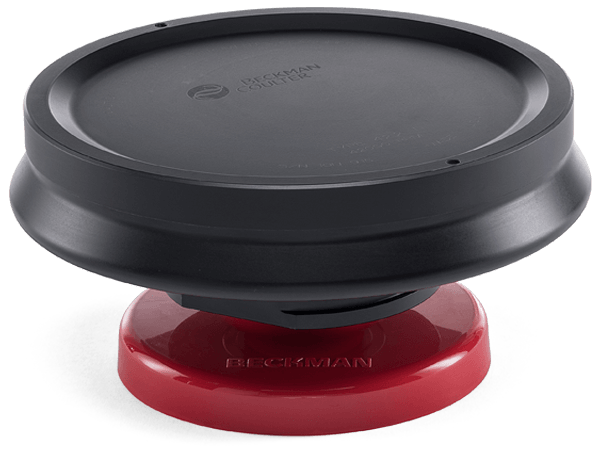
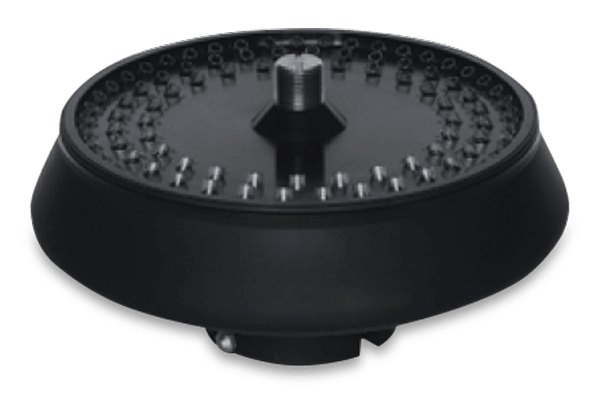
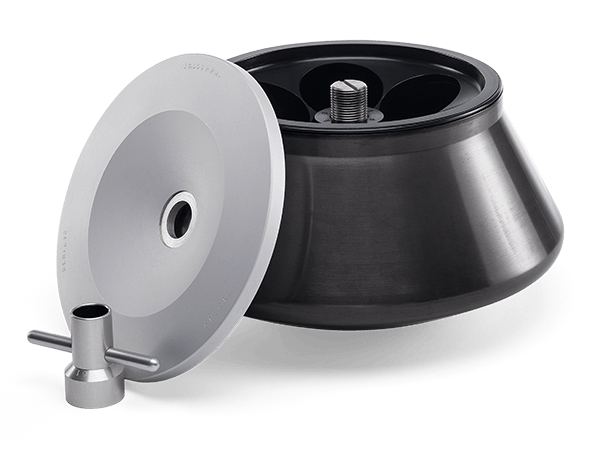
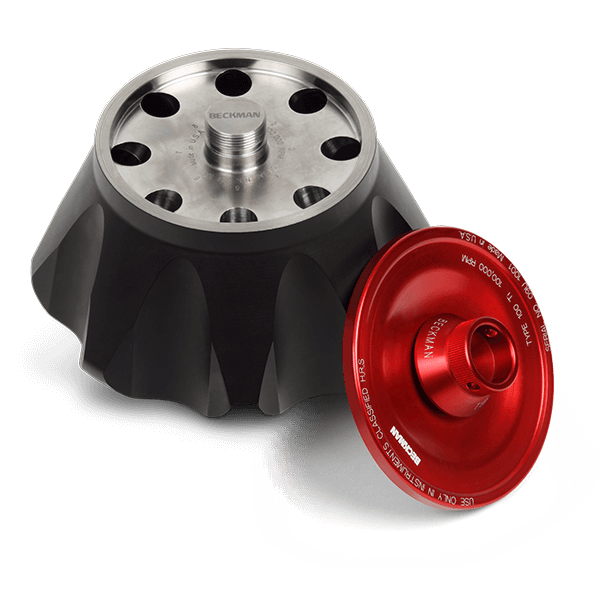
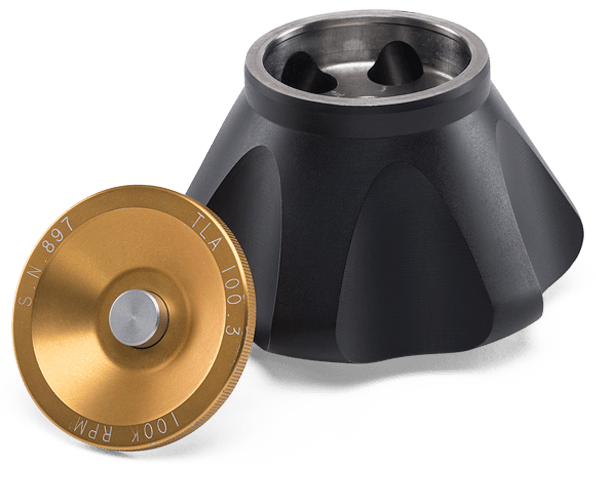
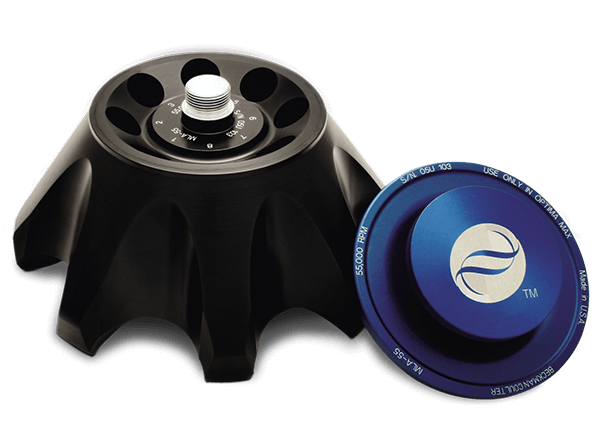
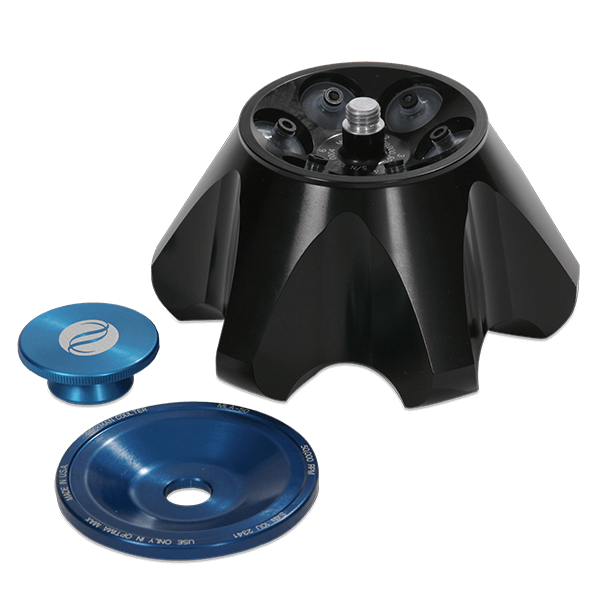
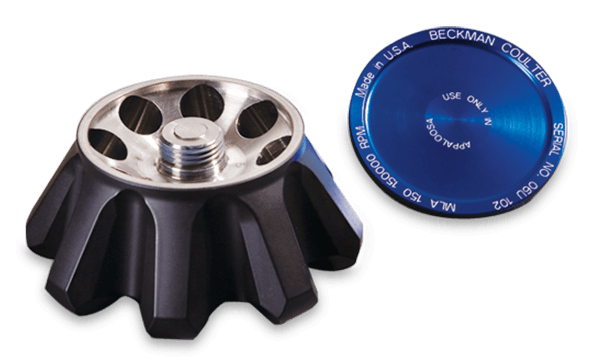
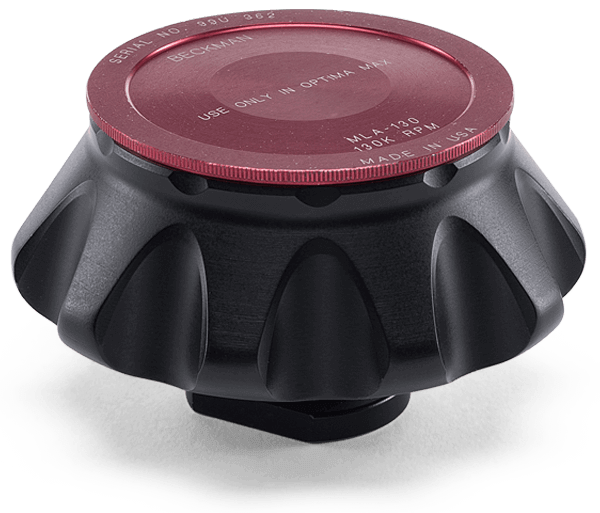
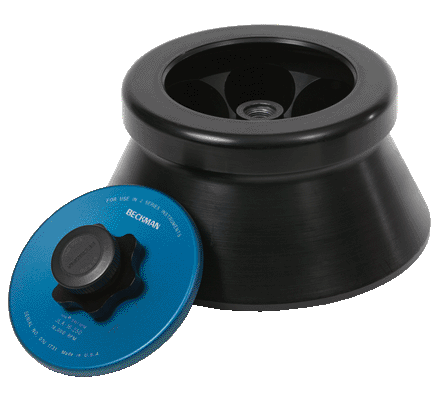
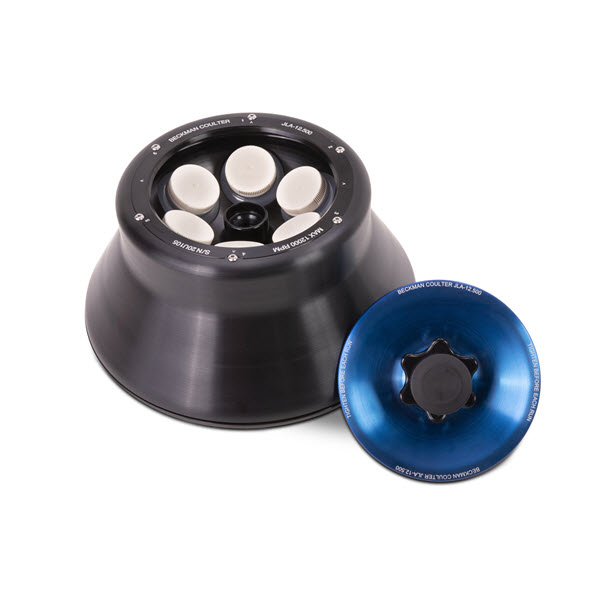
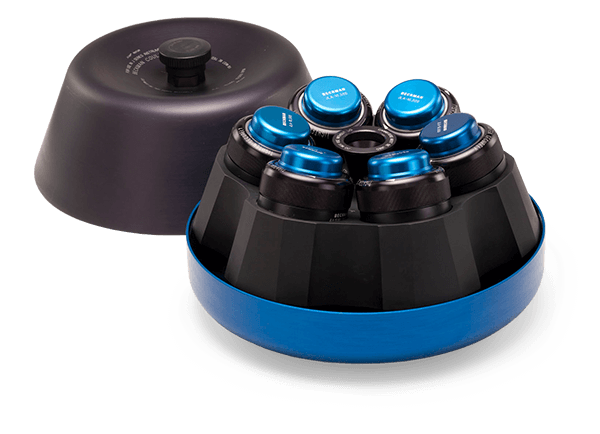
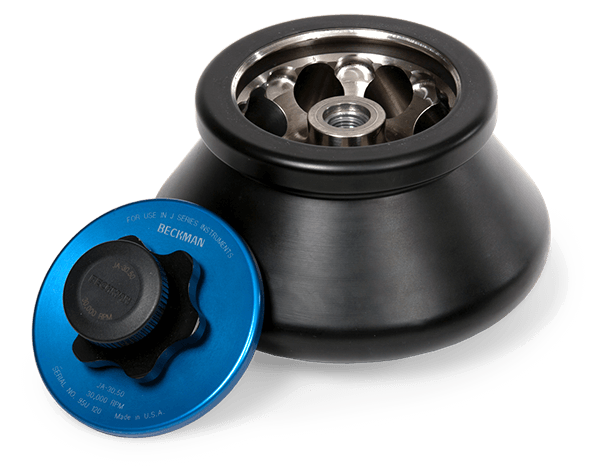
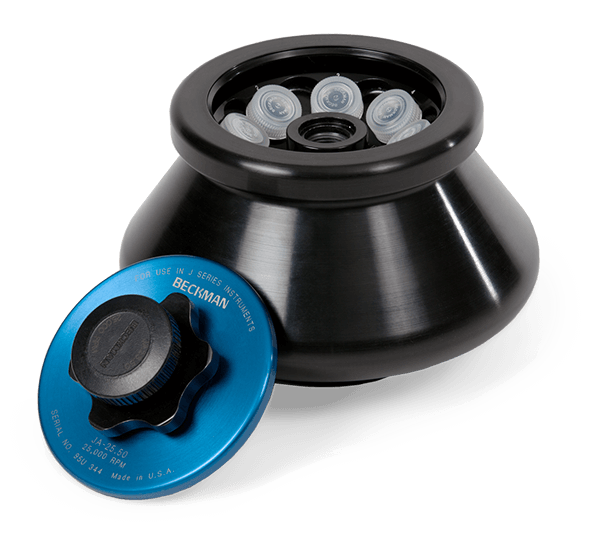
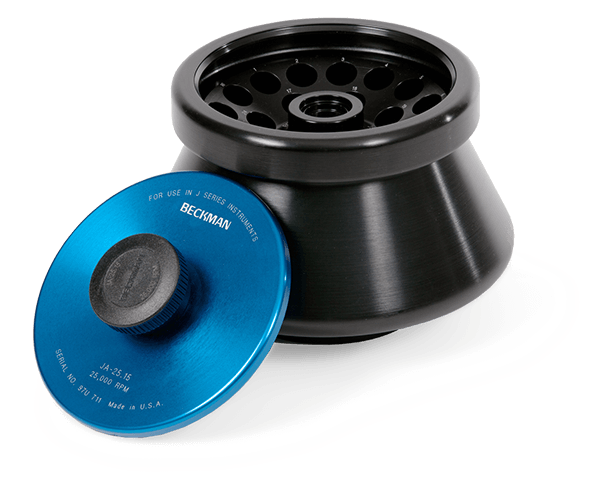
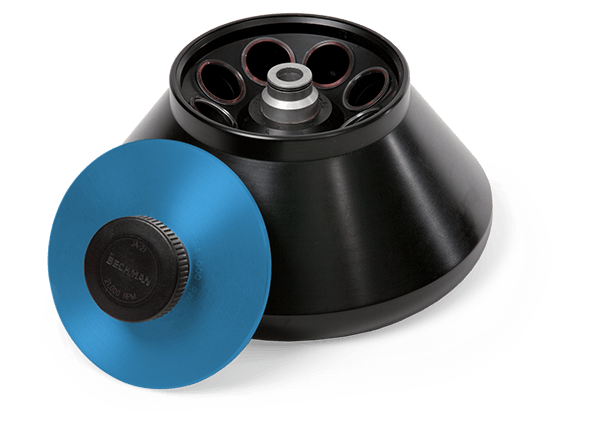
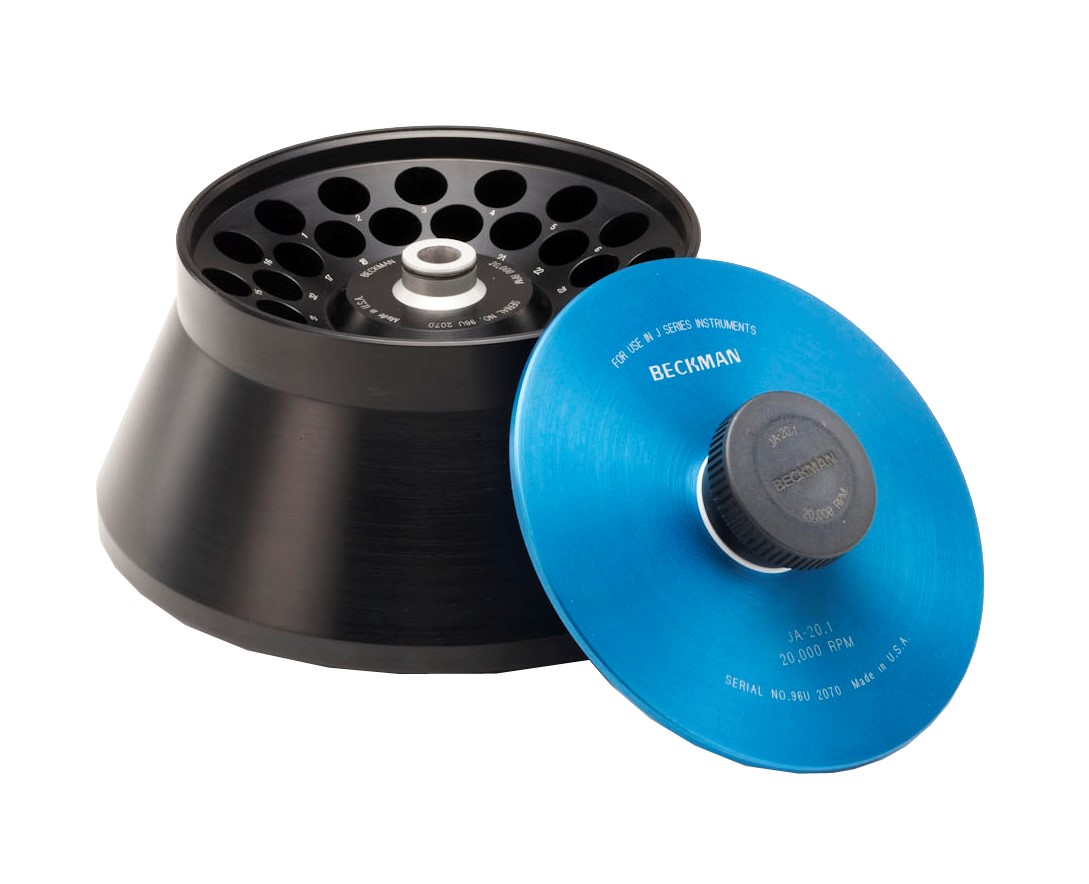
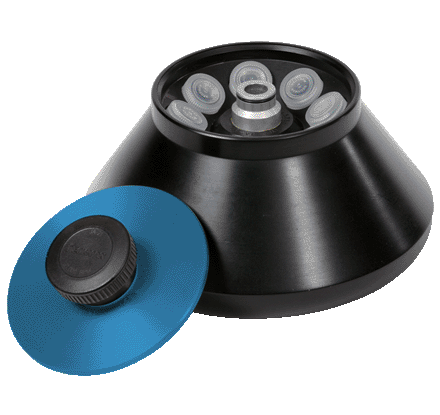
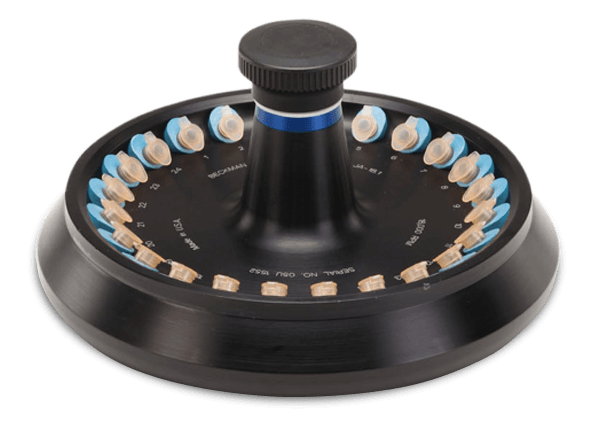
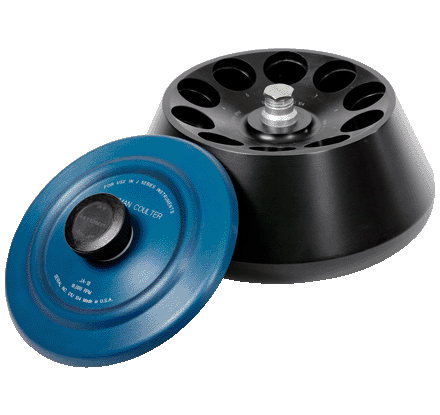
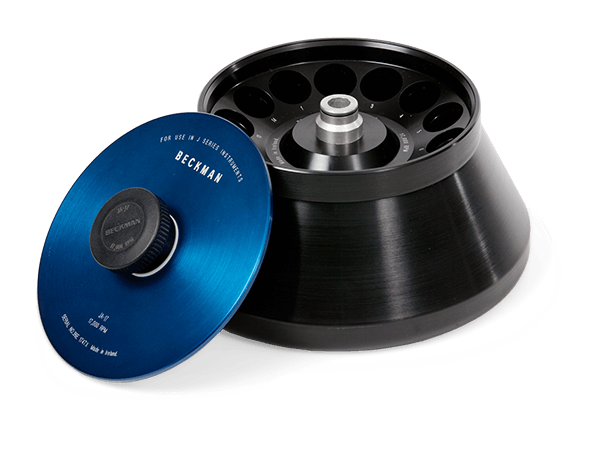
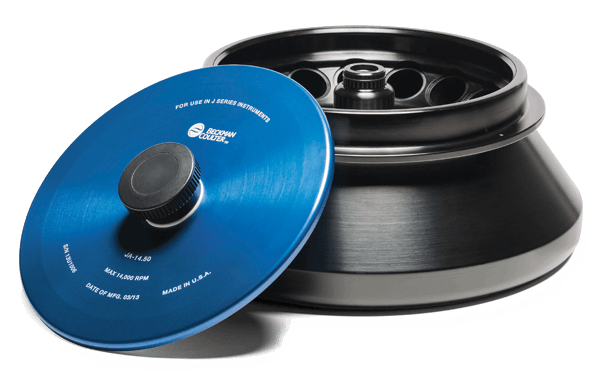
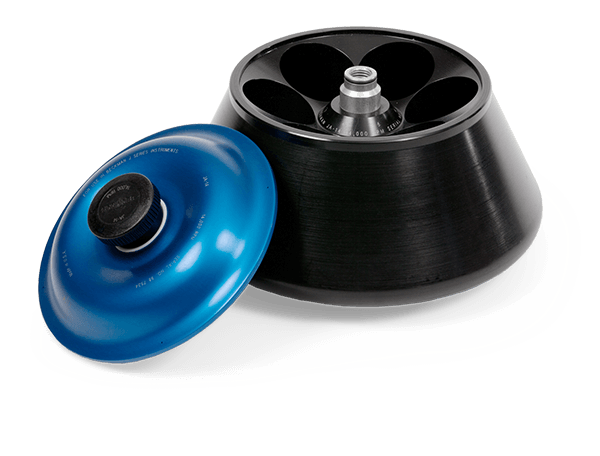
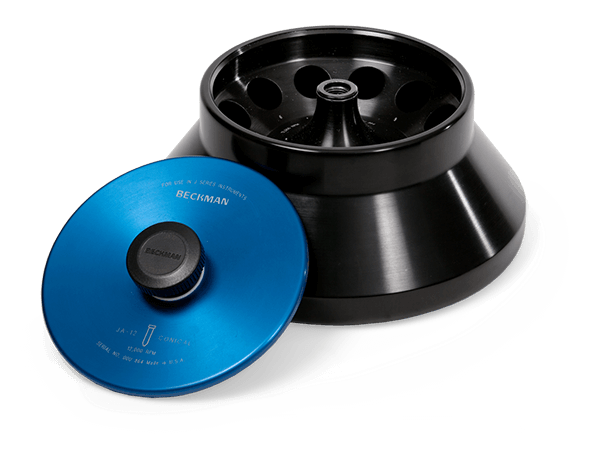
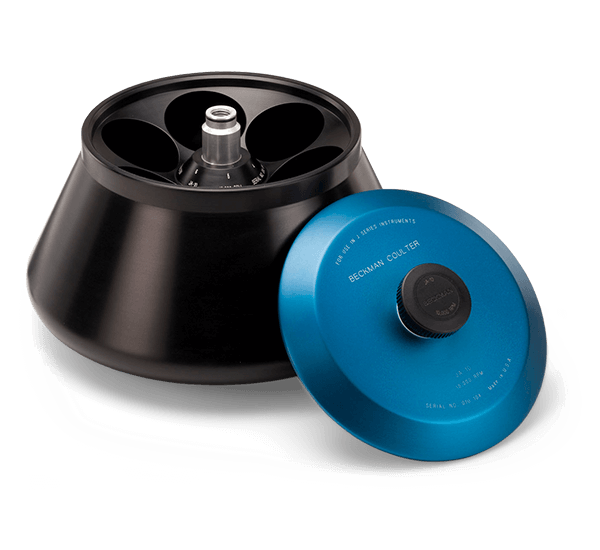
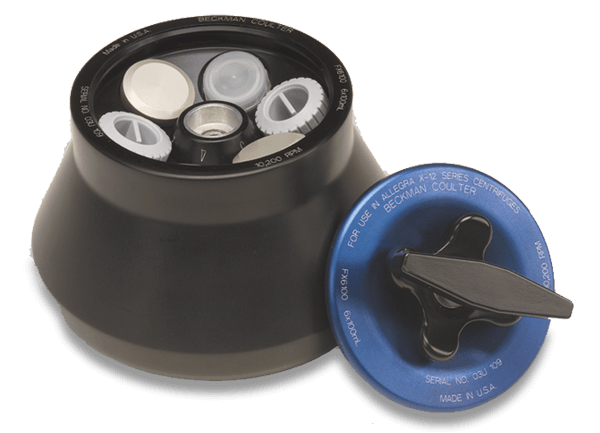
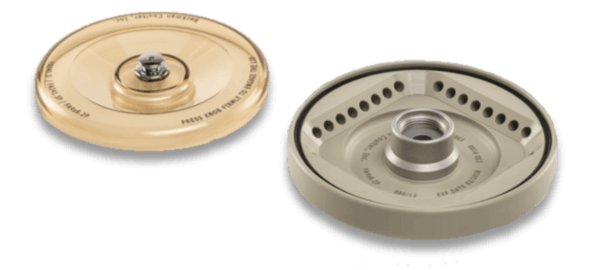
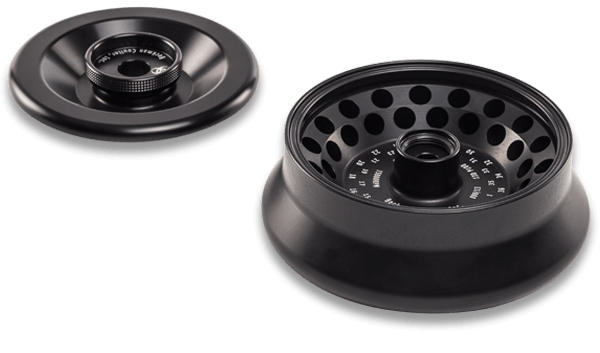
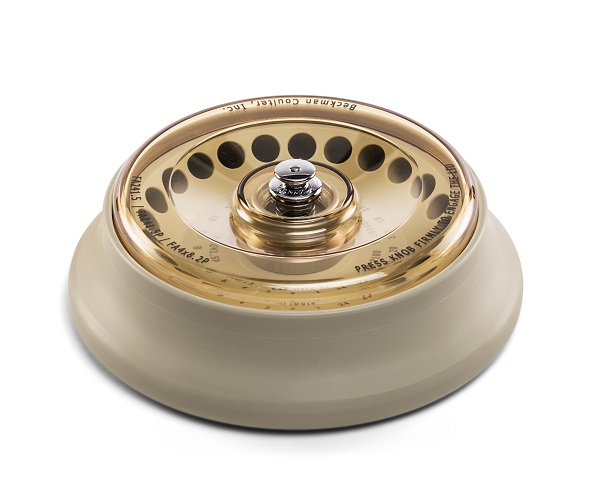
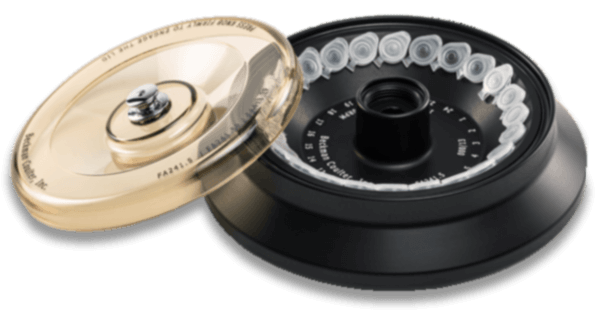
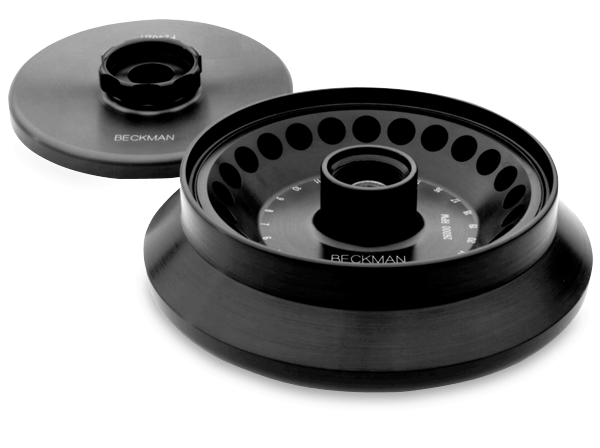
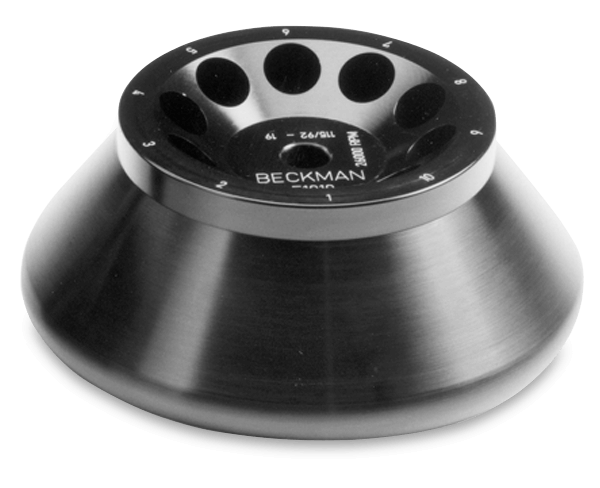
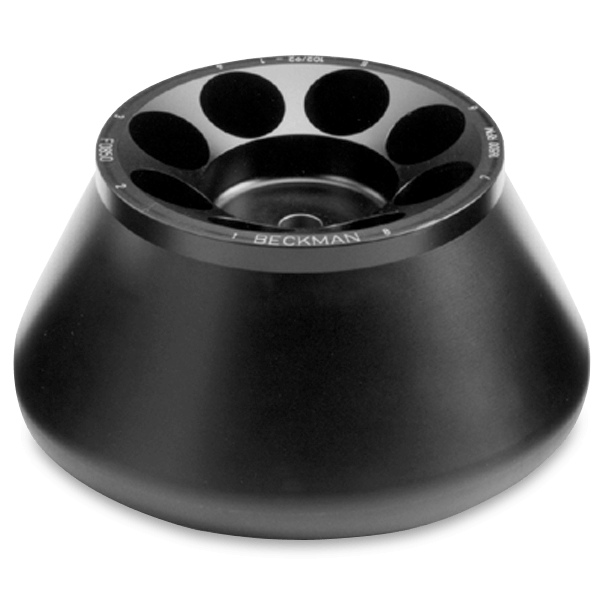
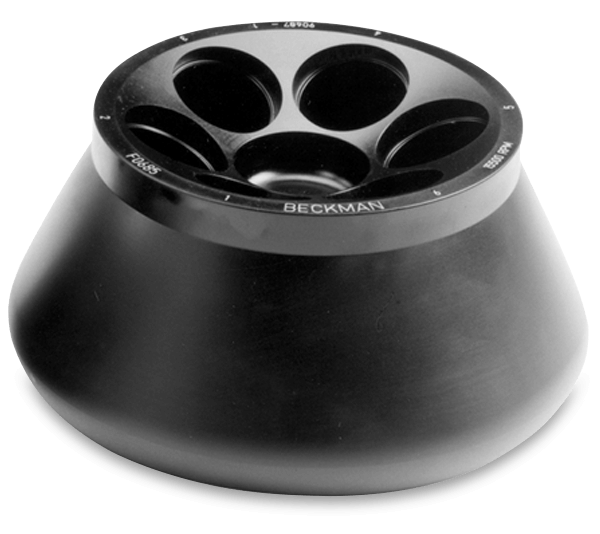
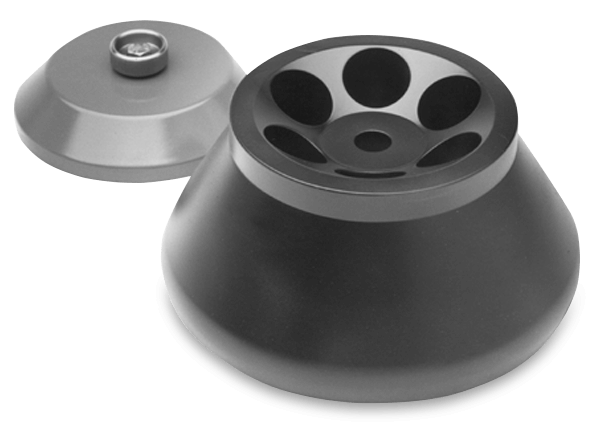
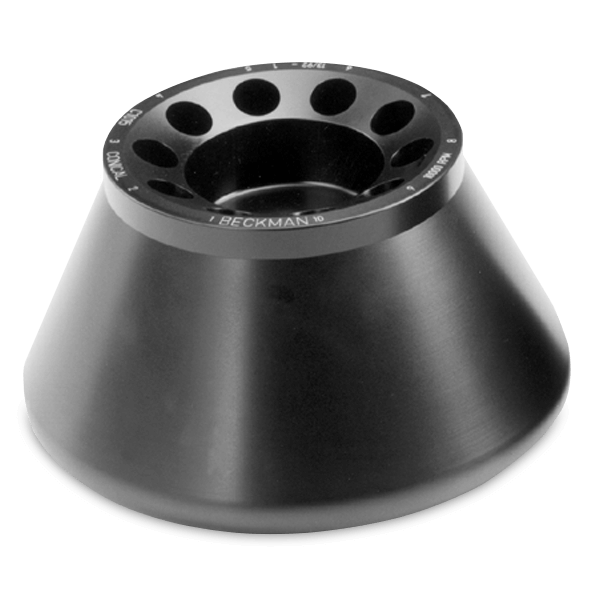
Sabit açılı rotorlar orta yol uzunluğuna, hızlı çalışma süresine ve mükemmel çözünürlüğe sahiptir.
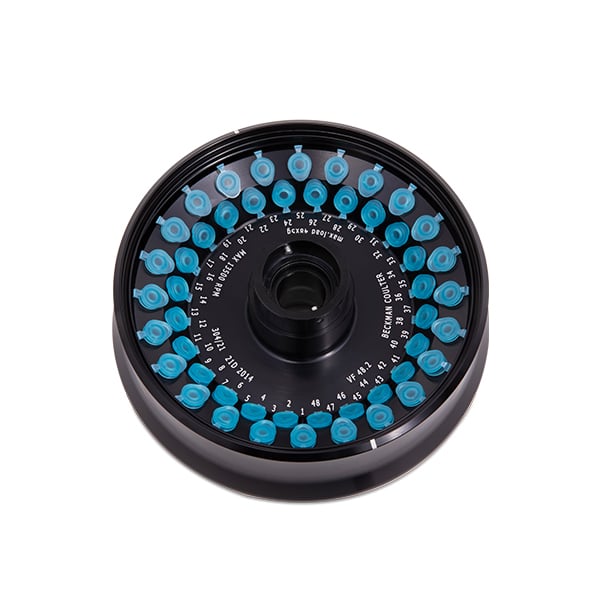
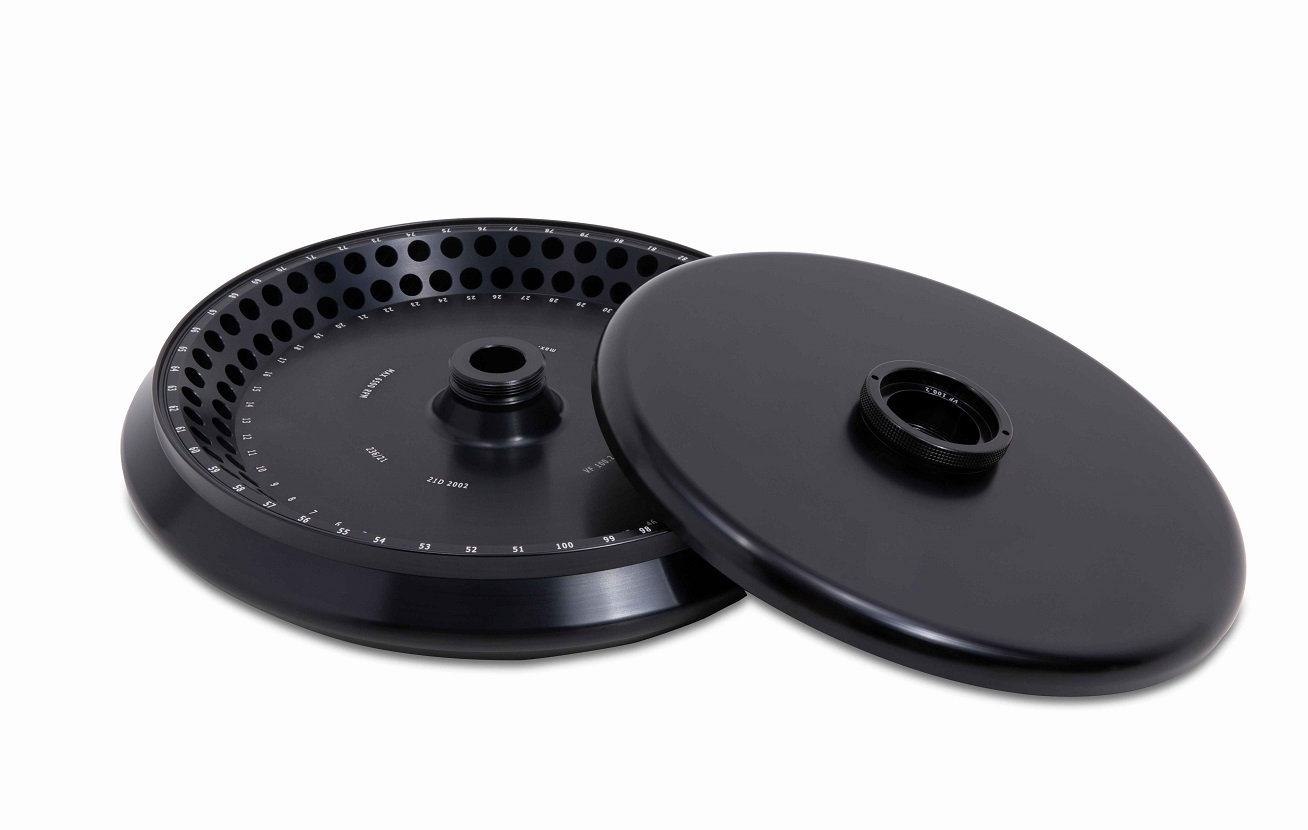
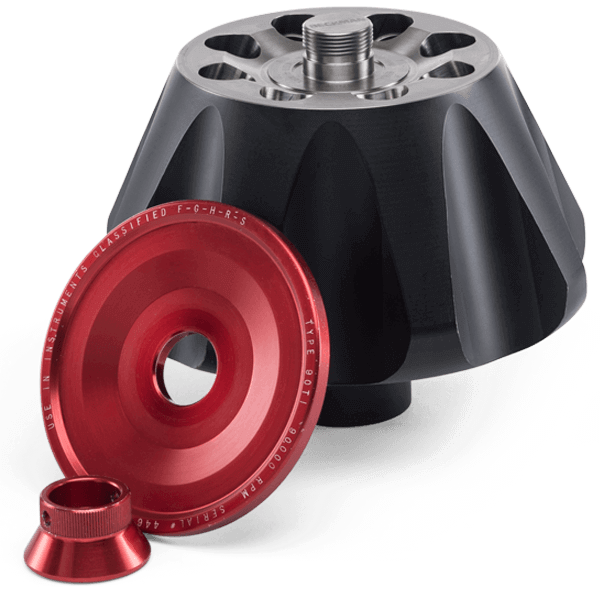
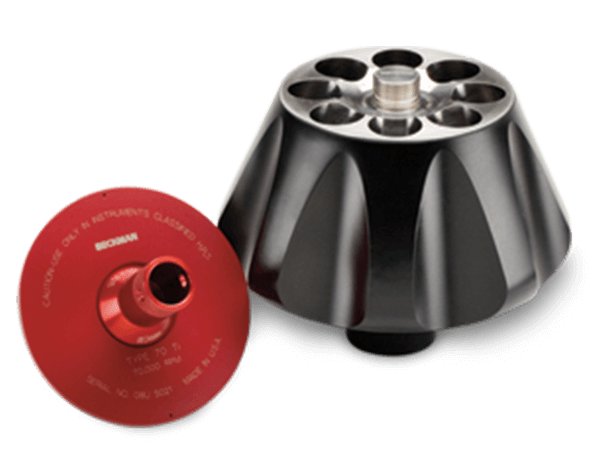
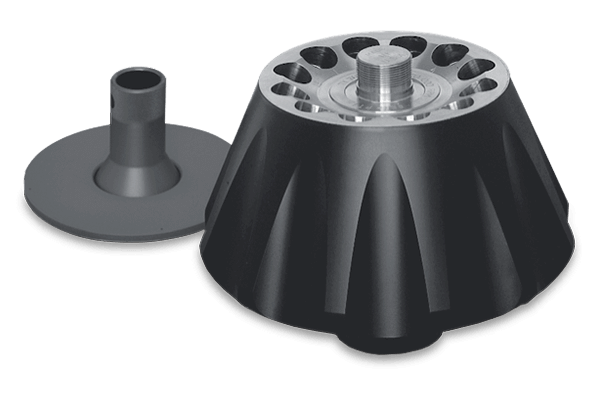
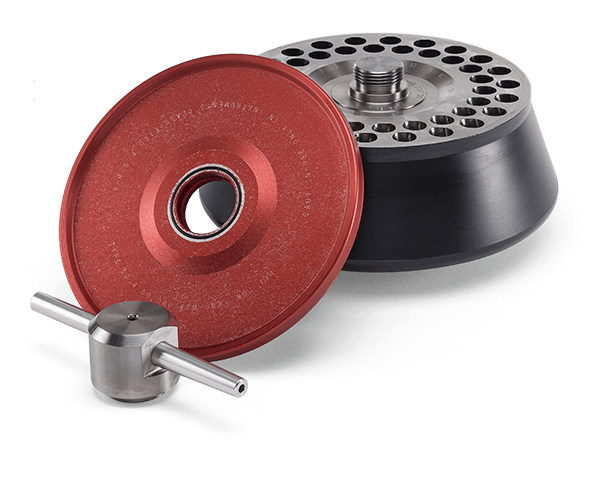
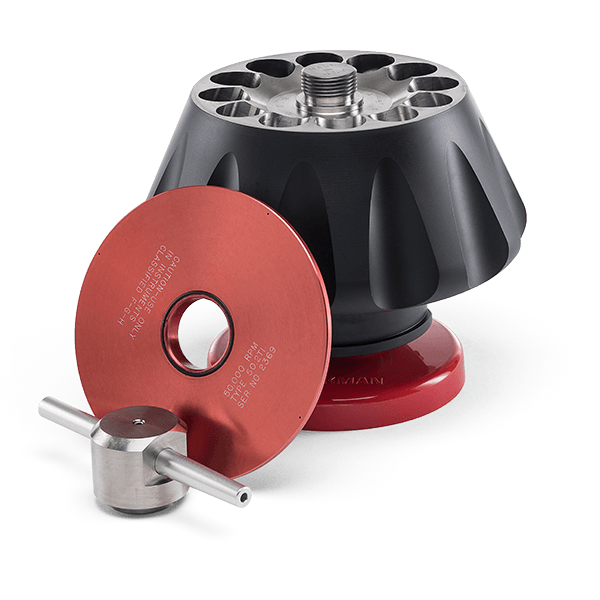
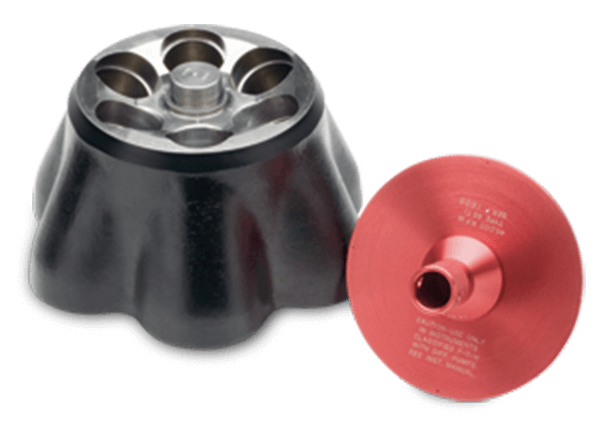
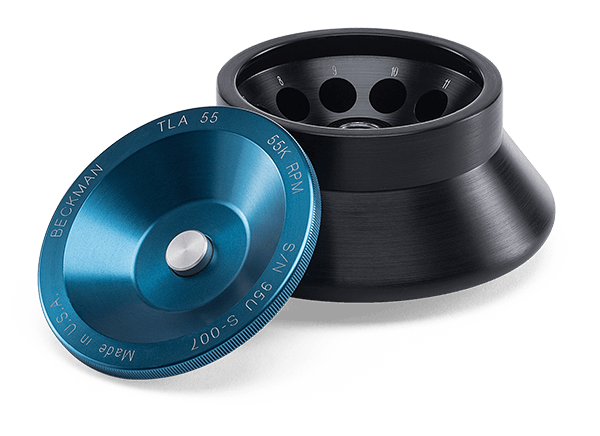
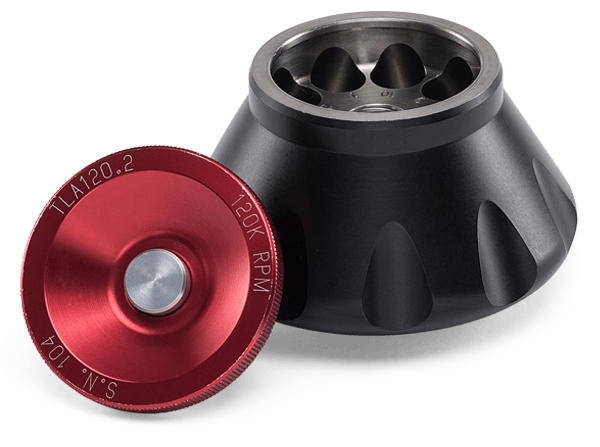
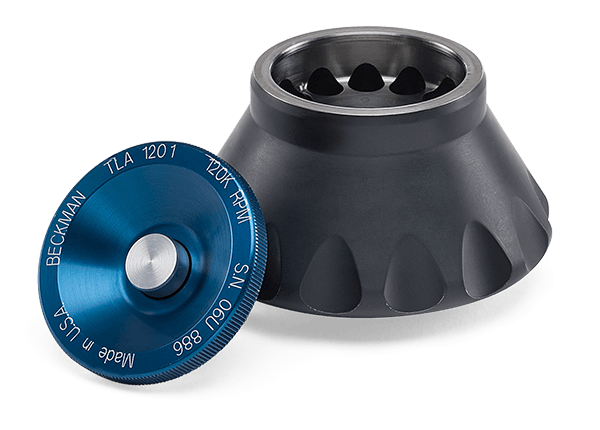
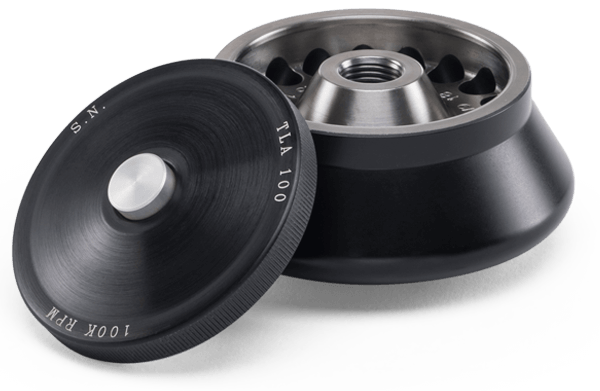
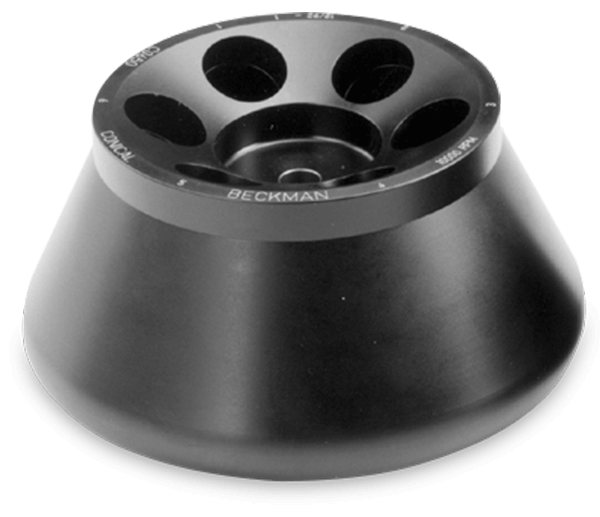
Sabit açılı rotorlarda, tüpler döndürme işlemi sırasında, tipik olarak dikey açıya göre 23° ila 38° arasında sabit bir açıda tutulur. Bunlar daha yüksek hızlarda, küçük ilâ büyük hacimlerde, bakteri ve maya gibi pelet oluşturma uygulamalarında peletleri geri kazanmak için ve bir süspansiyondaki partikülleri ortadan kaldırmak ve artıkları ve DNA’nın eş yoğunluklu sarmalarını atmak için kullanılırlar
Pelet oluşturma işlemi sırasında, peletin tüpün dış alt duvarına yerleşmesi tercih edilir, çünkü bu konum peletin kolayca toplanmasını sağlar. Pelete kolay erişim sağlamak için sabit açılı rotor idealdir.
Yeni Intellifuge Calculator’u [Hesaplayıcı] çalışırken görmek için buraya tıklayın
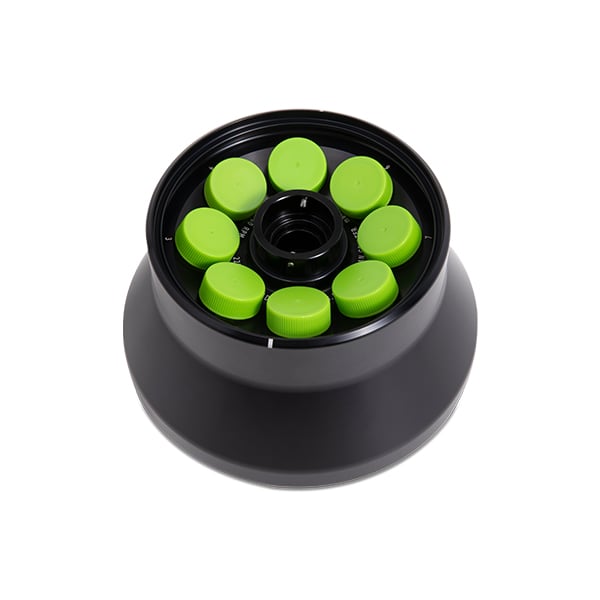
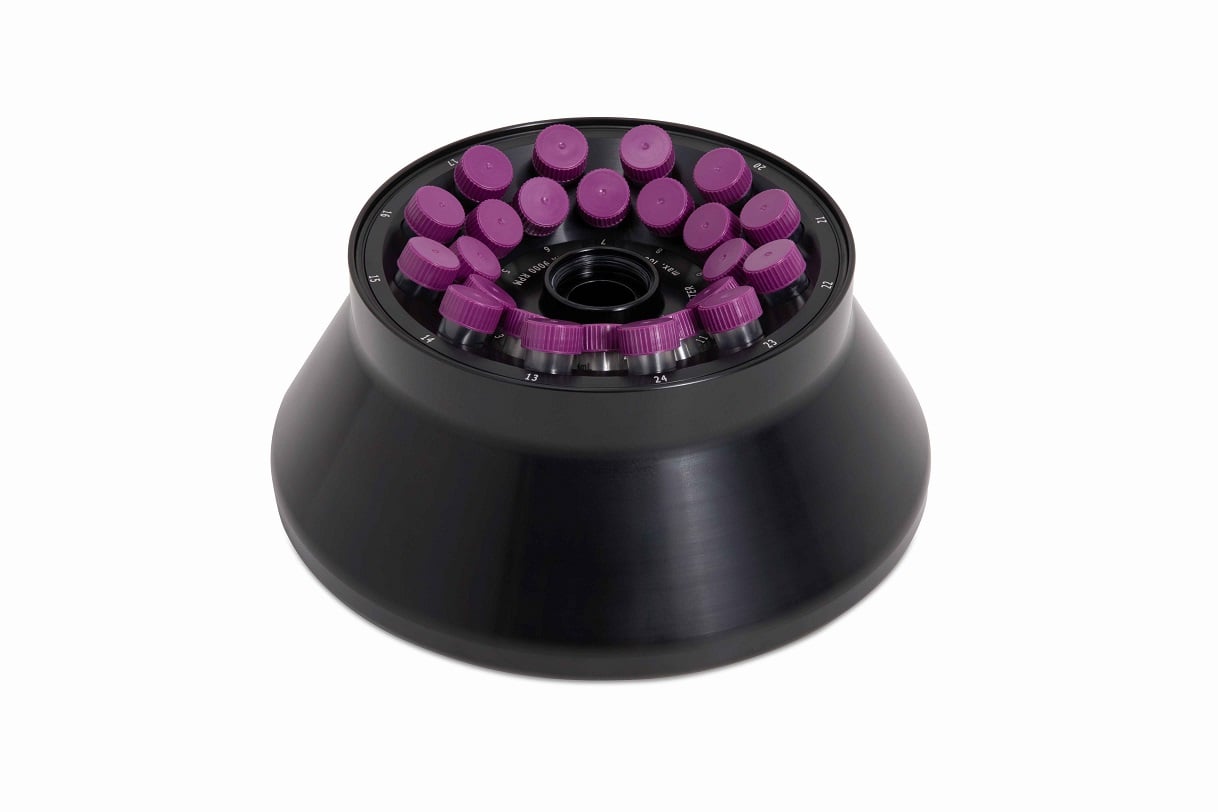
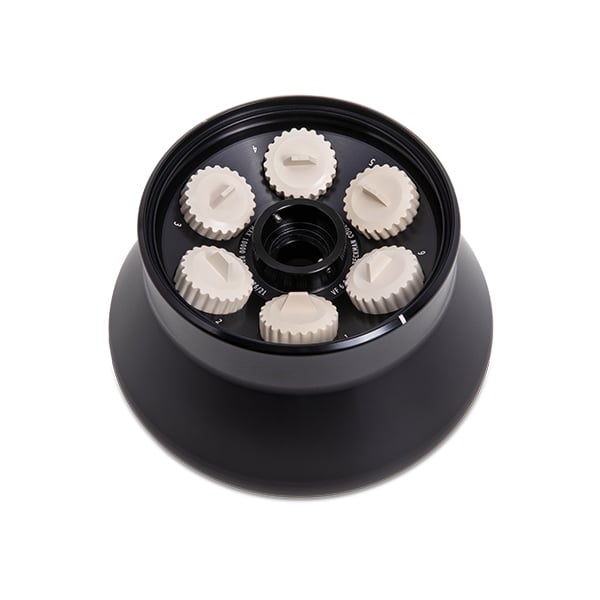
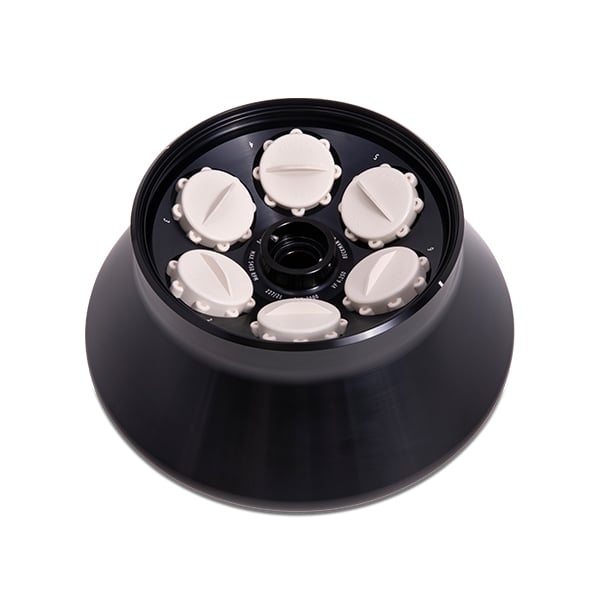











FAQ on Fixed-Angle Rotors
What are the advantages of a fixed-angle rotor?
Fixed-angle rotors are designed to shorten the distance particles must travel before sedimenting. This can reduce centrifugation times and improve pelleting efficiency. They are frequently selected for cell harvesting, microbial culture processing, nucleic acid isolation, and protein precipitation workflows where fast and reliable separation is important.
What is the difference between a fixed-angle rotor and a swinging-bucket rotor?
In a fixed-angle rotor, tubes remain at a fixed position during centrifugation, making the rotor well suited for rapid pelleting applications. In a swinging-bucket rotor, tubes swing outward to a horizontal position during operation, providing longer sedimentation paths that can improve resolution for density gradient separations. Fixed-angle rotors are typically preferred for pelleting, while swinging-bucket rotors are often selected for separation and gradient-based applications.
What is a fixed-angle rotor?
A fixed-angle rotor is a centrifuge rotor in which sample tubes remain positioned at a constant angle, typically between 20° and 45°, throughout centrifugation. During operation, particles move outward toward the side and bottom of the tube, forming a pellet along the tube wall. Fixed-angle rotors are commonly used when rapid pelleting and high throughput are required.
How do I choose the right fixed-angle rotor?
Selecting the appropriate fixed-angle rotor depends on several factors, including sample volume, desired throughput, maximum speed, required RCF, tube compatibility and separation goals. For demanding applications, evaluating rotor capacity and k factor can help identify the most efficient option for achieving target separation performance.
What is the k factor of a centrifuge rotor and why is it important?
The k factor is a rotor performance parameter that indicates the relative efficiency of a rotor for particle sedimentation. Lower k factor generally correspond to shorter centrifugation times because particles can sediment more quickly. When comparing fixed-angle rotors with similar speed and capacity specifications, the k factor can help determine which rotor may provide more efficient separations for a given application.
Learn More