
Sallanan Kovalı Rotorlar
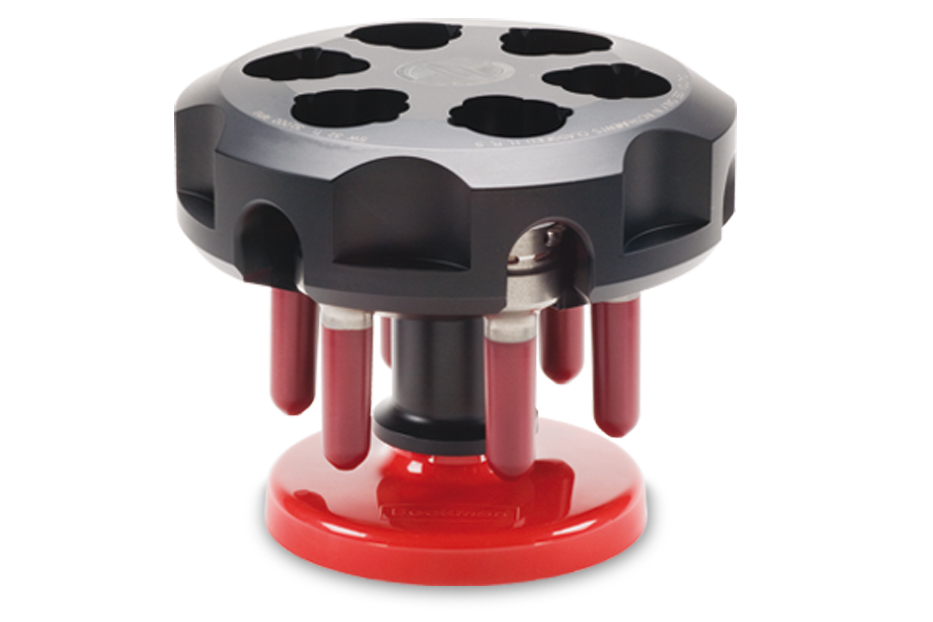
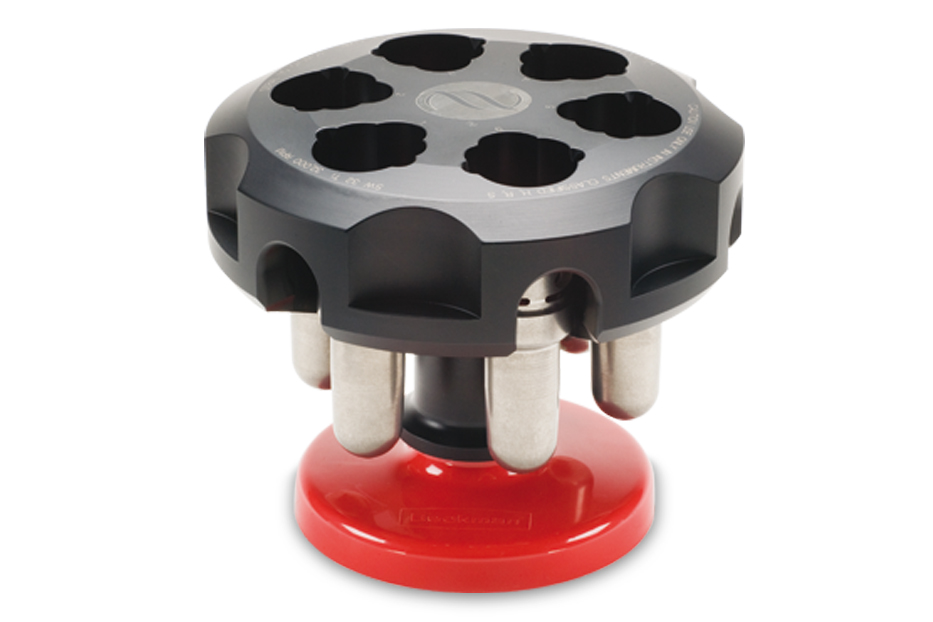
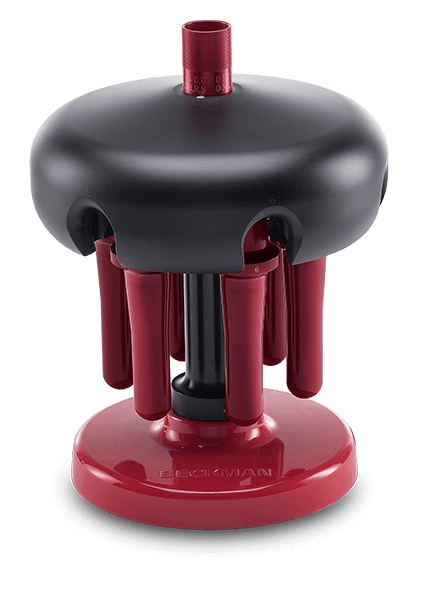
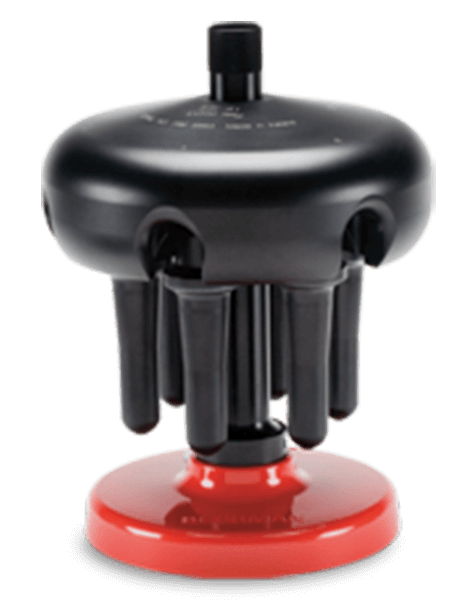
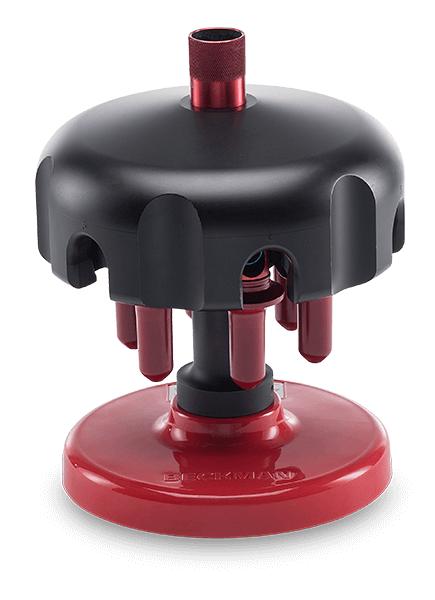
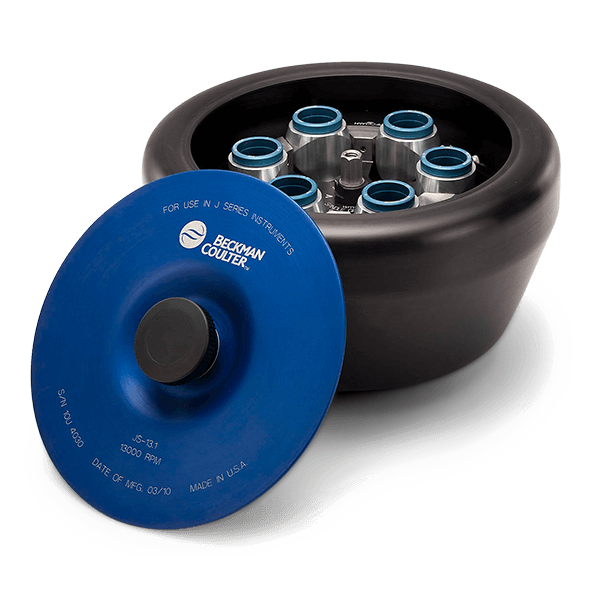
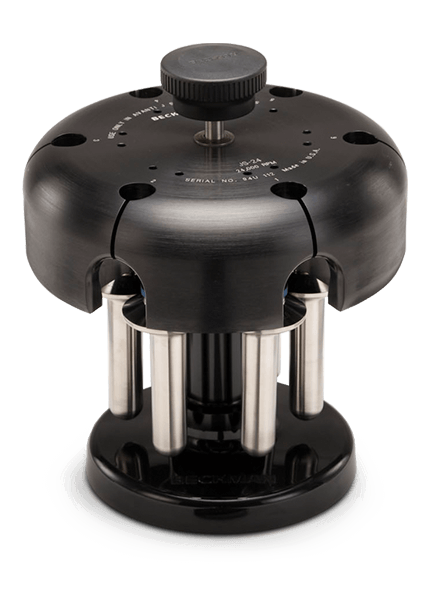
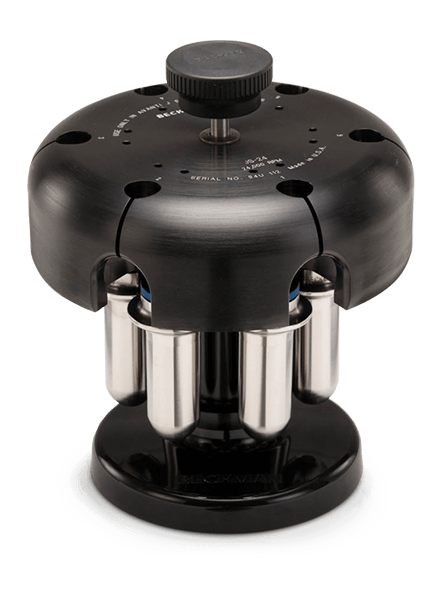
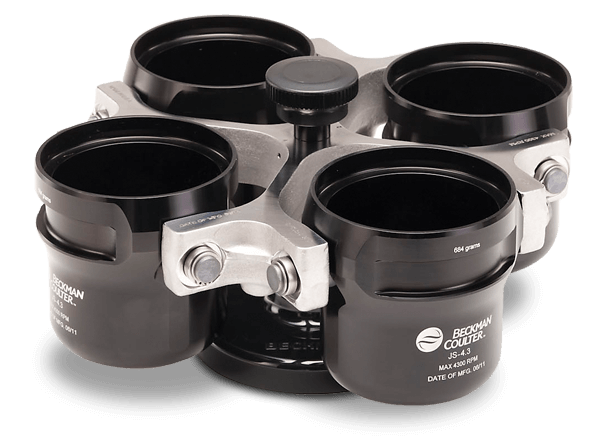
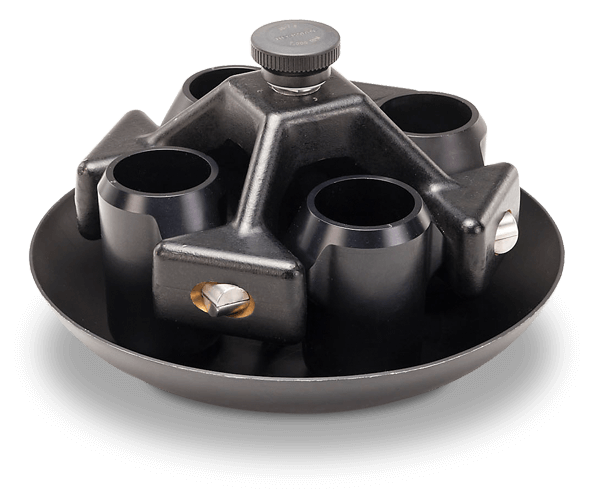
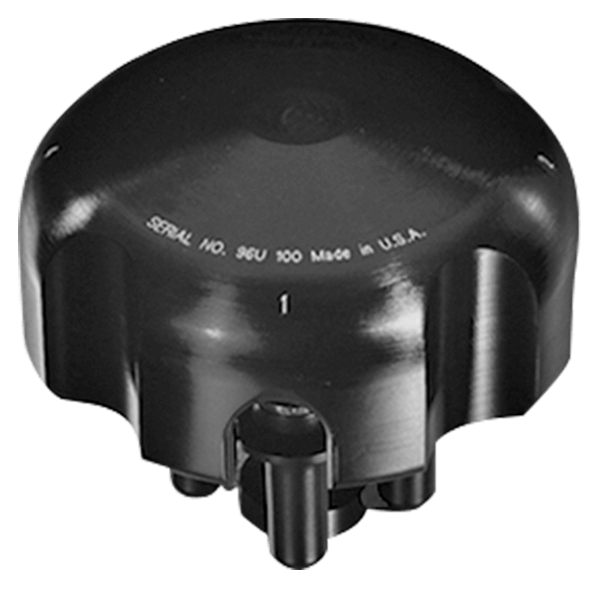
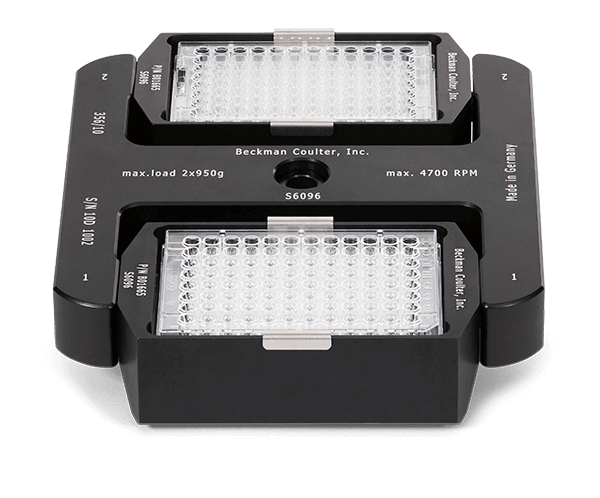
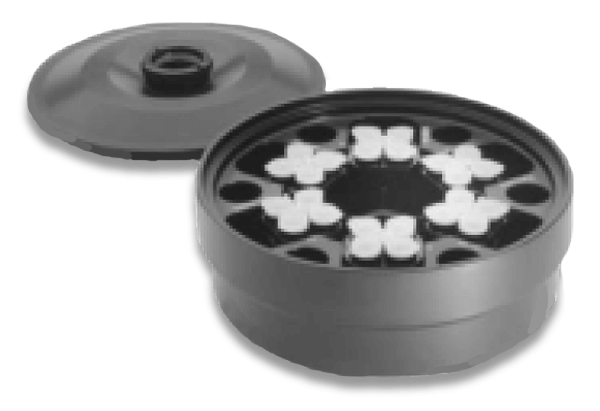
Sallanan kovalı santrifüj rotorları tam yol uzunluğu, yavaş çalışma süresi ve mükemmel çözünürlük özelliklerine sahiptir.
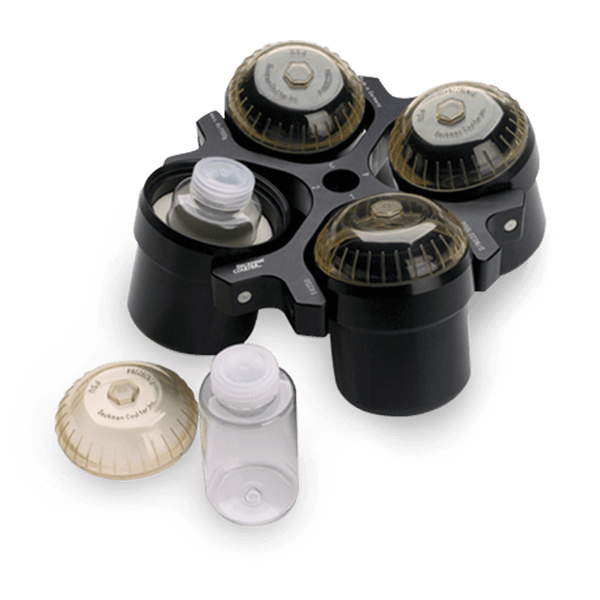
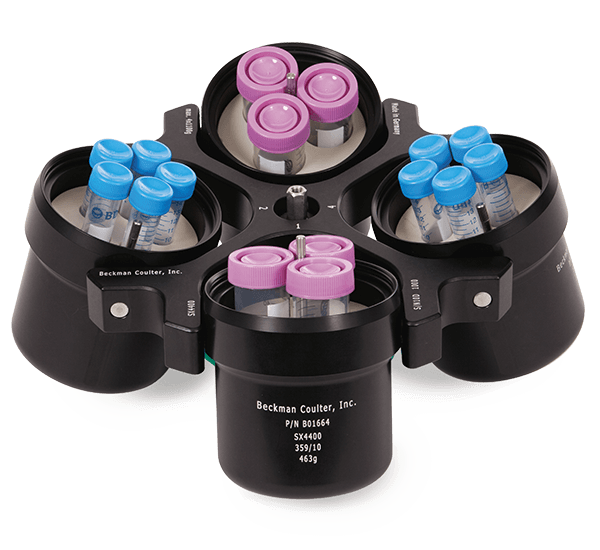
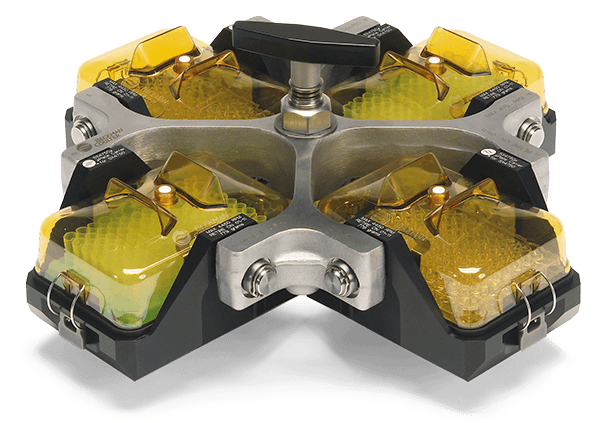
Sallanan kovalı rotor, çalışma sırasında tüpün açısını değiştirmesini sağlar. Cihaz durdurulduğunda kovalar dikey konumda ve çalışırken yatay konumdadır. Sallanan kovaların paralel geometrisi, sabit açılı geometrinin aksine numunenin yoğunluk gradiyentleri arasında kesinti olmadan hareket etmesini sağlar, örneğin numunenin duvara ve yayma numunelerine çarpması önlenerek, ayırma işleminin bozulması engellenir.
Büyük hacimli numuneleri düşük hızlarda ayırmak için idealdir ve özellikle numunelerin hız-zon (yoğunluk) gradiyentlerinde çözüleceği durumlarda kullanışlıdır. Uygulamalar arasında doku kültürü işleme, büyüme olan kısımdan tam hücrelerin hasadı, kan toplama tüplerinin işlenmesi ve hız-zon ayırma (diğer bir deyişle, boyut veya kütleye göre) ortamları gibi yüksek verimli protokoller yer alır.
Yeni Intellifuge Calculator’u [Hesaplayıcı] çalışırken görmek için buraya tıklayın.













FAQ on Swinging-Bucket Rotors
Why use a swinging-bucket rotor for density gradient centrifugation?
Density gradient centrifugation requires samples to separate into distinct layers based on density. Because swinging-bucket rotors position tubes horizontally during operation, they help create uniform gradients and well-defined sample bands, making them a preferred choice for many gradient-based separation workflows.
What applications are swinging-bucket rotors commonly used for?
Swinging-bucket rotors are frequently used for density gradient centrifugation, blood processing, bioprocessing workflows, and when highly purified samples are required . They are often selected when maintaining sample integrity and achieving high separation quality are important.
How does a swinging-bucket rotor work?
In a swinging-bucket rotor, sample tubes begin in a vertical position and gradually move to a horizontal position during centrifugation. This orientation allows particles to travel evenly through the sample, making swinging-bucket rotors especially suitable for density gradient separations and applications that require distinct sample layers.
What is the difference between a swinging-bucket rotor and a fixed-angle rotor?
A swinging-bucket rotor holds samples horizontally during centrifugation, making it well suited for density gradient separations and applications that require well-defined sample layers. They can also be used for pelleting and result in the pellet forming at the very bottom of the tube. A fixed-angle rotor keeps tubes at a constant angle and is typically preferred for rapid pelleting applications. The best choice depends on the separation objective and sample type.
What is a swinging-bucket rotor?
A swinging-bucket rotor is a centrifuge rotor that allows sample buckets to pivot during centrifugation. As rotational speed increases, the buckets swing outward into a horizontal position, creating a consistent linear sedimentation path that supports efficient sample separation.
