

Optima AUC
Beckman Coulter, bilim camiasının yeni keşifler yapmasına yardımcı olmak için ilk AUC numune karakterizasyon cihazını sunmuştur. Bu gelenek, yeni Optima™ AUC sistemi ile 21. yüzyılda da devam etmektedir.
Bu yeni araç, temel protein araştırmasında protein molekül ağırlığını belirlemek ve akademik ve biyolojik ilaç araştırmaları için agregasyon düzeylerini ölçmek üzere kullanılan verileri sağlayan en güçlü teknolojidir.
Analitik Ultrasantrifüj hakkında daha fazla bilgi edinmek ister misiniz? AUC Kaynakları Bölümümüzde daha ayrıntılı bilgi edinebilirsiniz.

Özellikler
İyileştirilmiş Veri Kalitesi
- Daha yüksek radyal çözünürlük
- ProteomeLab'a göre daha iyi sinyal-gürültü oranı
- Enterferans optikleri için 11 kat daha fazla dikey piksel
- Karmaşık sistemlerin minimum sürede kesikli dalga boylarında (20'ye kadar) kesin analizini sağlar
Aşağıdakiler dâhil olmak üzere doğal, matrissiz koşullarda çok çeşitli partikülleri analiz eder:
- Proteinler
- Nanopartiküller
- Peptitler
- Polimerler
- Miseller
- Lipozomlar
- Ekstraselüler veziküller
- İlaç konjugatları
- Viral yük
Aşağıdakiler de dâhil olmak üzere, diğer tekniklerle karşılaştırıldığında daha kritik sorulara yanıt verebilecek verileri sağlar:
- Şekil
- Kitle
- Çap
- Stokiyometri
- Heterojenlik
- İlişkilendirme
- Agregasyon
- Saflık
- Formülasyon
Daha Kolay Kullanım
- Kullanıcı dostu dokunmatik ekran, deneysel tasarımın sezgisel ilerlemesini gösterir.
- Uzaktan izleme becerileri, neredeyse her konumdan sanal olarak veri ayarlamanızı, izlemenizi ve çekmenizi sağlar.
- ProteomeLab XL hücreleri ve rotorlarıyla uyumluluk
- Geçiş optiği iş akışı hazırlamayı hızlandırır
Explore Optima AUC Models
Accessories
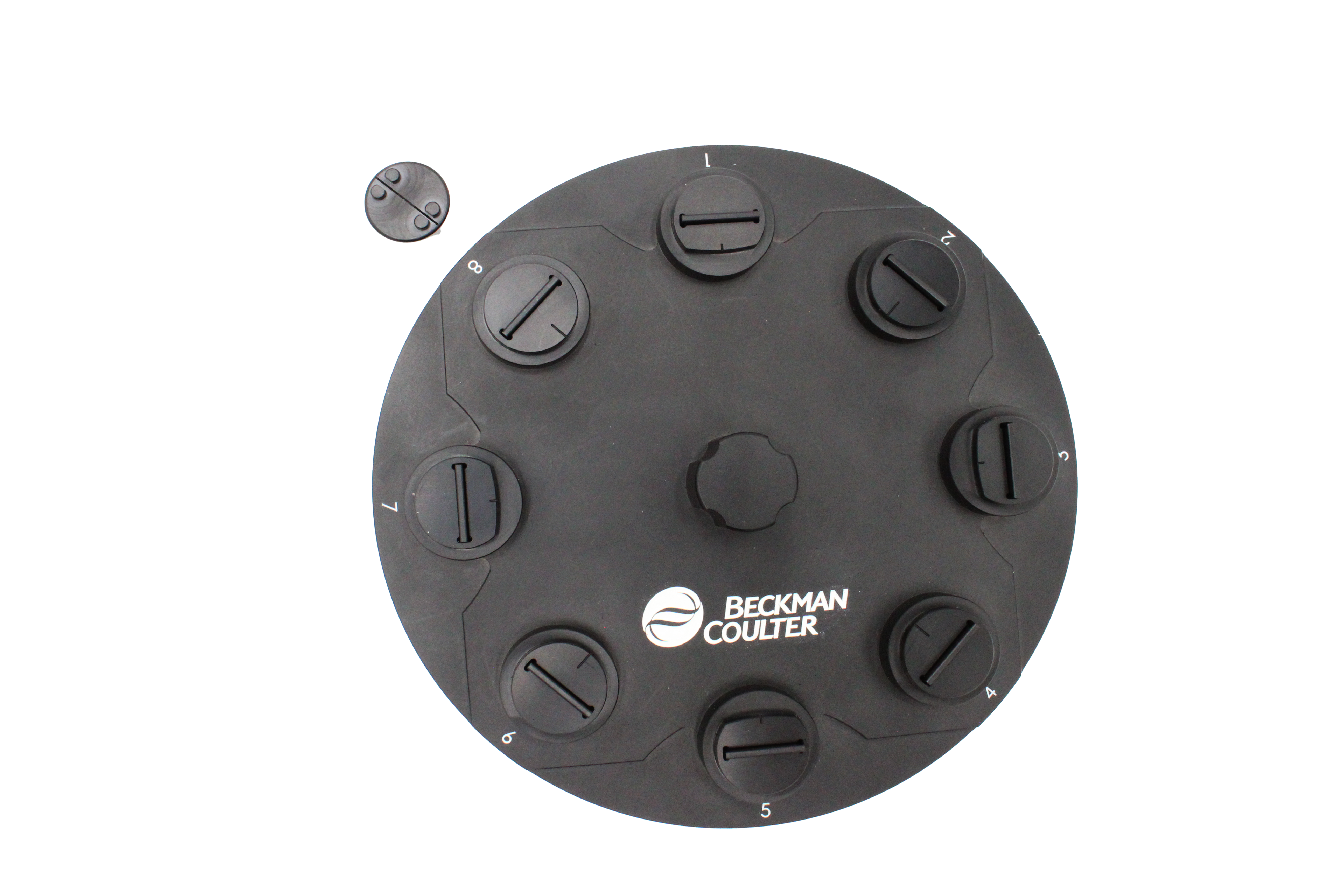
AUC Cell Alignment Stand
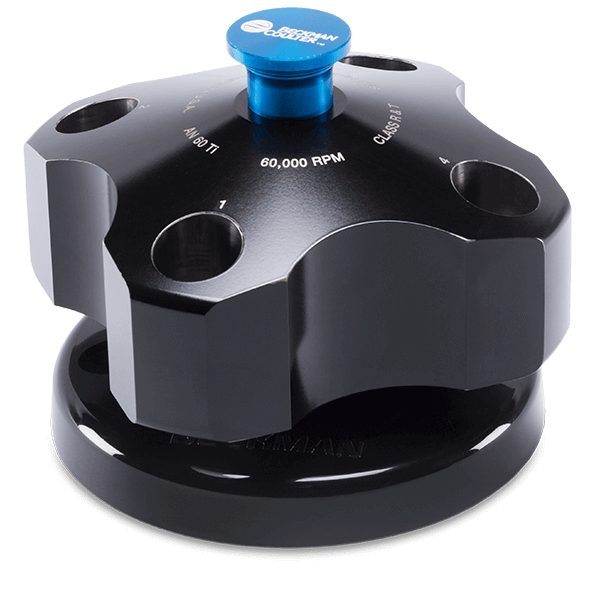
Easily ensure your AUC cells are aligned without relying on the rotor scribe marks or visual alignment. For use with both AN-50 and AN-60 rotor. It can align up to 8 AUC cells simultaneously, with the option to align the counterbalance too. Not for sale in every country. Contact your salesperson for more information
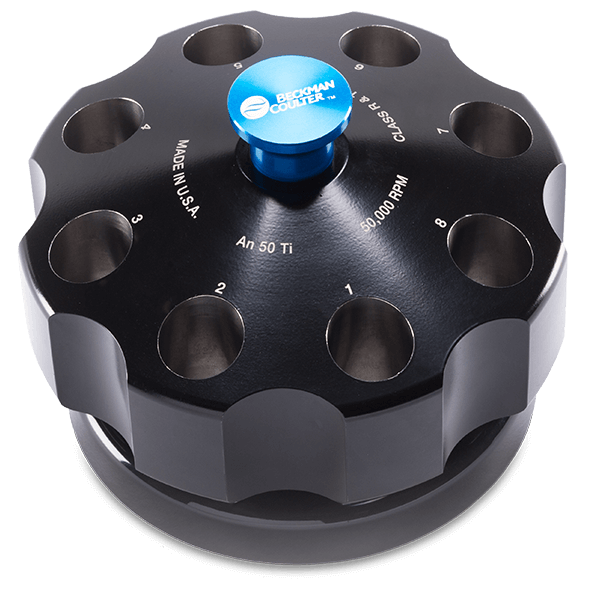
An-50 Ti Analytical 8-Place Titanium Rotor
The An-50 Ti 8-Place Titanium Rotor is a specialty rotor for use with Beckman Coulter Analytical Ultracentrifuges.



Technical Documents
FAQ on the Optima AUC Analytical Ultracentrifuge
How do you analyze AUC data?
AUC data can be exported and analyzed using several different software packages including SEDFIT, UltraScan, SedAnal, SedPHAT, and more*.
Beckman Coulter Life Sciences released the Optima AUC cGMP Suite software, which helps with experimental setup, live data monitoring, analysis and report generation, while supporting 21 CFR Part 11 compliance.
*Third-party analysis software has not been validated by Beckman for use with the Analytical Ultracentrifuge. Beckman does not endorse any third-party analyses software. Beckman warranty and/or performance guarantee that may be applicable or are provided by Beckman for Analytical Ultracentrifuge do not apply to any third-party software.How is fringe displacement calculated?
The system performs a single-point discrete Fourier transform (DFT) at the frequency represented by the fringe vertical frequency. This transform is calculated on each vertical column of data, across the entire row. The phase of each calculation is used to calculate fringe displacement (1 fringe displacement = 360 degrees of phase shift).
How is the sedimentation coefficient determined?
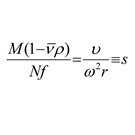
If you know the particle velocity (υ), the angular velocity (ω), and the radius from the axis of rotation (r), you can calculate the sedimentation coefficient (s).
Per the left side of the equation, this value is proportional to molecular weight (M) multiplied by buoyancy factor (1-v p and inversely proportional to the frictional coefficient. Large values of S (faster sedimentation rate) correspond to larger molecular weight.
What do fringe patterns from interference testing reveal?
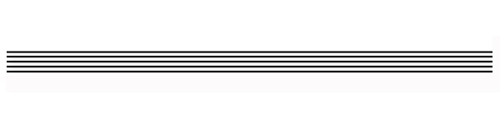
If the two beams pass through identical substances, the resulting fringe pattern is relatively constant across the length of the image, as shown here:
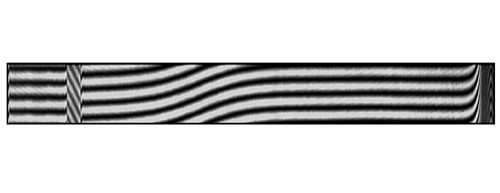
If the beams pass through different substances, and the concentration of one of them varies across the radial length, the fringe pattern shows interference as seen here:
How is sample detection done in an analytical ultracentrifuge (AUC)?
Two common types of optical analysis include UV/visible light absorbance (detecting wavelengths between 190 and 800 nm) and Rayleigh interference. Both rely on light passing through the sample, with a detector capturing the light after it passes through the sample. Data is collected in this manner over the course of the centrifugation, so that the sedimentation pattern of the sample can be tracked. Various calculations are made from the data to determine sample characteristics.
Do Optima AUC rotors differ from those for a preparative centrifuge?
Yes. AUC rotors are designed to address additional considerations, such as:
-
Light passage
AUC rotors are designed so light can pass through a sample, generally from top to bottom. -
Overspeed disk
To prevent damage, the overspeed disk allows the system to determine the maximum rated speed of the rotor and prevent it from spinning faster than that maximum. -
Timing magnet
This is embedded in the overspeed disk. A pickup device in the system senses when the magnet passes over and generates a pulse that represents a known time. The AUC uses this pulse to synchronize the rotor speed with the flash of the light source.
How is an analytical ultracentrifuge (AUC) counterbalance configured?
An AUC counterbalance not only offsets sample cell weight, but also provides a way to calibrate the optics.
Each counterbalance, which is always anodized red, features four reference holes with removable mask windows.
The inner edges of the reference holes should match the outer edges of the centerpiece cell. The counterbalance weight can be adjusted by screwing weights into the center of the counterbalance cell. Using the provided screw weights, the counterbalance must weigh within 0.5 grams of the sample directly opposing it in the rotor.
What is interference and how is it detected using analytical ultracentrifugation (AUC)?
There are two types of interference:
-
Constructive Interference
When crests/troughs of two waves meet, creating a crest/trough equal to the sum of their amplitudes. -
Destructive Interference
When the crest of one wave meets the trough of another, cancelling each other out. -
Constructive and Destructive Pattern from 2 Slits
If a light source is passed through two parallel slits, it creates constructive and destructive interference in a repeating "fringe" pattern that can be analyzed via AUC. The interference optical system, in the Optima AUC Analytical Ultracentrifuge, performs scans in which fringe displacement is measured as a function of radial distance.
